Interview
When Families Develop Their Own Solutions - In Dialogue About Family Councils, Personal Future Planning and Radical Participation
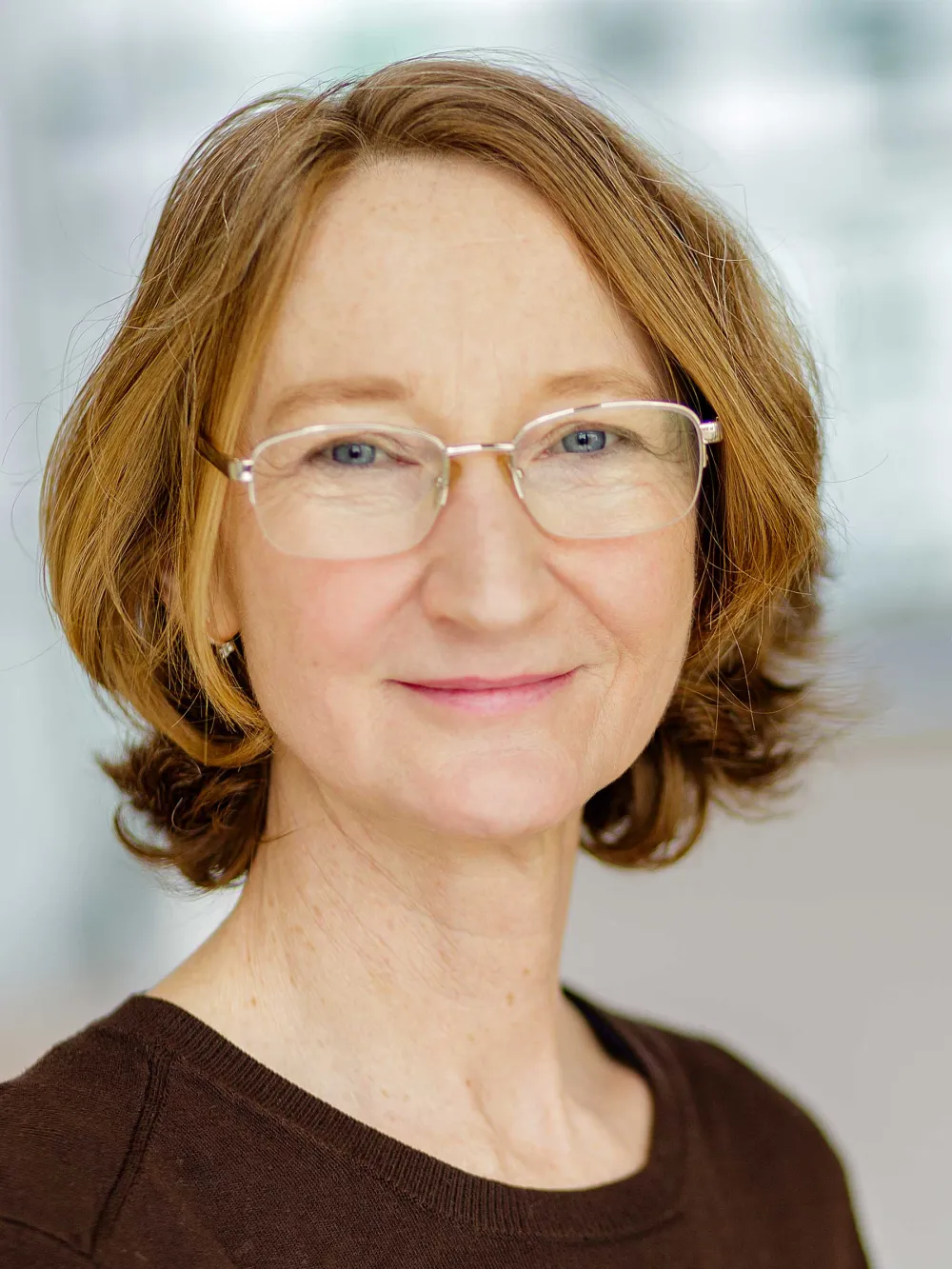
Families often have more resources and problem-solving skills than they are given credit for. In this interview, Prof Dr Hubert Höllmüller explains why family councils and personal future planning are such effective approaches, what role so-called solution abstinence plays and why participatory processes are more important today than ever before.
Based on a care formulation from child and youth welfare services, the family council develops an unusual approach: it is not professionals who develop the solution, but the family and their social network themselves. Together, they look for ways that suit the situation and are supported by those involved. This is precisely the approach behind personalised future planning, which supports people in actively shaping their future in a self-determined way.

In our Coordination in Family Councils / Moderation in Personal Future Planning training programme, specialists learn how to professionally support such processes. In this interview, Prof Dr Hubert Höllmüller talks about the attitude behind the approach, the importance of participation and the skills that participants take away for their practice.
How did you originally come into contact with family councils and personalised future planning?
Around ten years ago, an outpatient child and youth welfare organisation asked me to evaluate its family councils. This task enabled me to experience for the first time the impressive ability of families to independently develop creative solutions to complex challenges and actively shape their future. This experience had a lasting impact on my understanding of and interest in participatory processes.
Family counselling is regarded as a particularly participatory approach in child and youth welfare. What do you think makes it so special?
For me, what makes the Family Council so special is its radically participatory approach and its consistent focus on resources. The variety of creative and customised solutions that families develop themselves - individually tailored to their needs and life realities - is impressive. At the same time, the preparation and implementation of the family council leads to families strengthening their bonds and developing a sustainable culture of dialogue and conflict. This individually developed dynamic is often maintained voluntarily and has a stabilising effect beyond the actual family council.
What changes when families no longer just talk about problems but work together to shape the future?
Shaping the future together creates a respectful relationship and shifts the focus away from deficits and towards resources, perspectives and opportunities. This change of perspective promotes a "sense of unity" that strengthens family cohesion. At the same time, previously unutilised resources are discovered and made accessible. This enables families to solve even difficult challenges together and in a practical way.
The term "solution abstinence" crops up again and again in the training programme. What does this mean in practice?
Solution abstinence means that professionals consciously refrain from prescribing their own solutions and instead trust that the family can develop sustainable and coherent solutions themselves. This requires an open attitude as well as patience and trust in the process. For the professional, this means putting aside their own ideas and habitual patterns and instead creating a space that allows families to find their own answers.
Many professionals are used to taking responsibility and proposing solutions. What is often the biggest challenge when stepping into the role of coordinator?
The biggest challenge is seeing the family as experts in their own world and relinquishing responsibility. This requires trust in the competences and resources of those involved as well as a willingness to self-reflect. Professionals must learn to let go of familiar patterns, withdraw their own ideas and be open to learning from the families. This change of role can initially cause uncertainty, but is essential for a sustainable and participatory process.
What characterises Personal Future Planning in particular?
Personalised future planning focuses on the individual wishes, strengths and goals of the person involved. It consistently places the person concerned at the centre and enables them to actively shape their future instead of passively receiving solutions from outside. At the same time, the approach rejects paternalistic attitudes and promotes radical participation. It is precisely this focus that strengthens ownership, i.e. the feeling of personal responsibility and self-determination - and makes the approach so effective in the long term.
The training programme is highly practice-oriented. What skills do participants return to their practice with after completing the programme?
The training initially requires participants to critically analyse their own professional attitude. In addition, specific skills in dialogue management, moderation and process design are taught. Participants learn how to structure participation processes, make individual resources visible and empower people to develop their own solutions. These skills are not only valuable for family councils, but can be applied in almost all social fields of work.
Why is now the right time to look at participative processes such as family councils and personalised future planning?
At a time when traditional support services are often reaching their limits, the family council offers a pioneering approach to empowering people to actively shape their own future. In the face of increasing social and individual challenges, radical participation is becoming ever more relevant. It strengthens trust and empowerment - both essential foundations for effective psychosocial work.
If you could give interested parties just one sentence: Why is this training worthwhile?
This training not only broadens your view of families and clients, but also fundamentally changes your own professional behaviour - a real game changer.
The Coordination in Family Councils / Facilitation in Personal Future Planning training programme is aimed at specialists and managers in Social Work and the psychosocial support field who want to professionally shape participation processes and support people in developing their own solutions and planning their future in a self-determined way.
Interested? Further information on the content, dates and participation requirements can be found on the training programme page. You will find the contact details at the bottom of this page.