The exhibition system has experienced an astonishing boom in recent decades that continues to this day. Even in the classical museum, the original functions – collecting, preserving and showing – are shifting in favour of showing and presenting. Not only in museum and exhibition halls, but also in other public and private institutions, temporary exhibitions take place or are installed as permanent facilities. Exhibitions and presentations increasingly serve as instruments of public relations and image promotion. Museums and exhibition spaces become places of encounter and exchange beyond what is shown there. Next course starts in 2026.
Curate, Conceive, Organise and Realise Exhibitions
The basics of curating

Status:
In preparation
Registration end:
Format:
Seminar
Degree:
Certificate of attendance
Requirements:
Completed studies or vocational training and professional experience
Educational leave:
Recognised in Brandenburg and Berlin
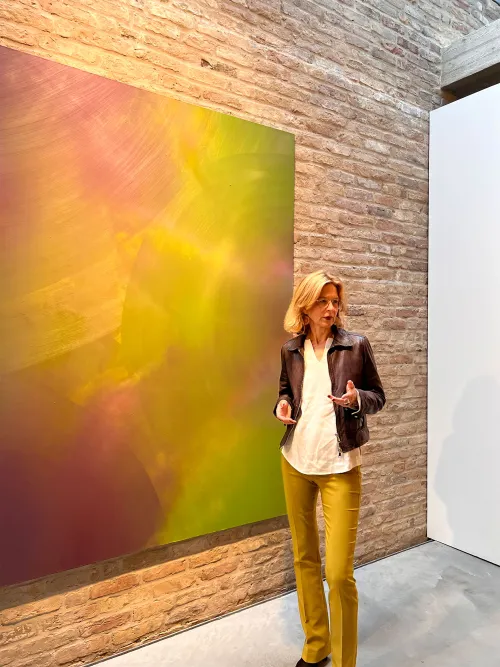
© Clara Czychowski Our training programme teaches you the art of developing a central theme for your exhibition and inspiring your target group.
Dr. Simone Oelker, Course Management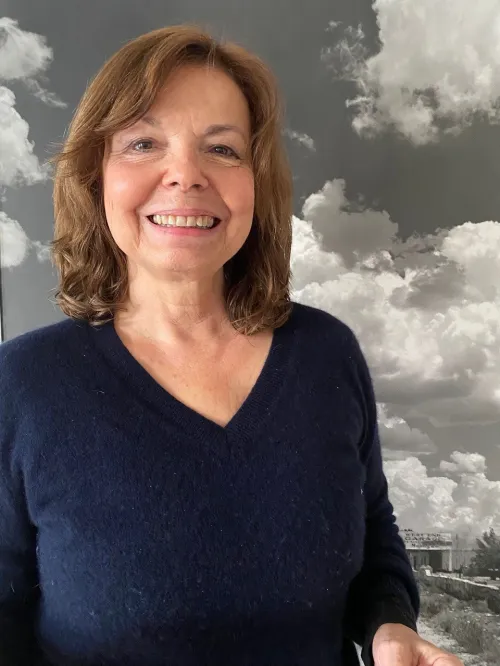
© Ursula Breymayer Ausstellungen kuratieren heißt, eine stimmige Auswahl zu treffen. Und hierbei gilt die Devise: less is more.
Ursula Breymayer, Kursleitung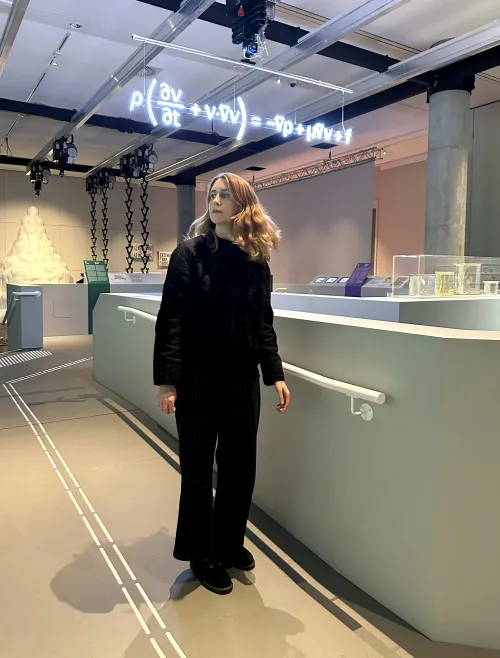
© Robinson Meinecke Um ausgewählte Themen in zugänglicher Form und ansprechender Ästhetik zu präsentieren, beschäftigen wir uns mit dem engen Zusammenspiel zwischen inhaltlicher und kreativer Konzeption.
Dina Fluck, Dozentin


At a glance
What distinguishes a successful exhibition? What do I have to consider from the exhibition idea to its realisation? The training covers everything from the beginnings of the history of exhibitions to the finished exhibition product. The contents will be taught in a practice-oriented way and with numerous exhibition examples. Participants will have the opportunity to present and develop their own projects.
The five-day seminar series takes place compactly in one seminar week. The seminar time is set at 9.30 am - 5.00 pm.
Target group
People who want to gain insights into the approach, planning and implementation of exhibitions.
Lecturers
- Ursula Breymayer (course leader)
- Dr. Simone Oelker-Czychowski (course leader)
- Ingo Plato, Architect BDA, Cologne
Inhalte
- Exchange with experienced curators and exhibition architects
- Exhibition and depot visits with a look behind the scenes of curating
- Structure for your exhibition work
- Discussions on current issues in exhibition making
- Inspiration and material for the conception and realisation of an exhibition

Zu kuratieren heißt zu vermitteln
Wie verändert sich der Blick auf Ausstellungen, wenn man selbst eine Woche lang hinter die Kulissen des Ausstellungsmachens schaut?
Dr. Yvonne Pauly, Koordinatorin des Schülerlabors Geisteswissenschaften der BBAW, hat 2026 an unserer Weiterbildung „Kuratieren“ teilgenommen. Im Interview erzählt sie, welche Impulse sie für ihre Bildungsarbeit mitgenommen hat, warum „weniger ist mehr“ auch bei der Vermittlung eine Rolle spielt und wie sie das Gelernte bereits in einem neuen Projekt einsetzen möchte.
A very well-organised training course that provides practical knowledge on topics such as contracts, legal matters and time management, but also creative inspiration and completely new impulses for your own project ideas in the field of curating.
Dr. Franziska Emmerling
Participant, March 2024
Lehrende & Teilnehmende berichten

Further education
Interview
"To Curate is to Mediate" - Review with the Participant Dr Yvonne Pauly
As coordinator of the School Lab for the Humanities at the Berlin-Brandenburg Academy of Sciences and Humanities , Dr Yvonne Pauly deals with questions of mediation on a daily basis. In our interview, she explains why she decided to take part in the "Curating 101" training programme, what ideas she…

Further education
Interview
Everyday History you can touch: How the "Basics of Curating" influenced Markus Haake's Work as a Historian
In our training course "The Basics of Curating", experienced curators provide insights behind the scenes of the exhibition business. The 6th course starts in March. Bremen history researcher Markus Haake also took away ideas for the work in his project forge.

Weiterbildung
News
Das Einmaleins des Kuratierens: Das erwartet die Teilnehmenden im März 2024
In unserer Weiterbildung "Das Einmaleins des Kuratierens" geben erfahrene Kuratorinnen Einblicke hinter die Kulissen des Ausstellungswesens und inspirieren zu eigenen Projekten. Nächstes Jahr geht der Kurs bereits in die 6. Runde. Im Interview verrät Kursleiterin und Initiatorin Dr. Simone Oelker…
Registration & Information
ZEW – Centre for Further Education
Room 4.1.10
(House 4)

Coordination ZEW
Weitere Kurse

Kultur Marketing Kommunikation
Sie wünschen sich Tools für ein erfolgreiches Kulturmanagement? In unserem Kompaktkurs erfahren Sie, wie Sie Ihre Kultureinrichtung bekannter machen.
Start: Herbst 2026
Kultur Marketing Kommunikation

Kulturfinanzierung
In unserem Kompaktkurs erfahren Kulturarbeitende, wie sich Kulturprojekte nachhaltig finanzieren lassen, welche Fördermöglichkeiten es gibt & wann sich Crowdfunding lohnt.

Buchbinden als soziale Praxis
Handwerk meets Pädagogik: Innerhalb von drei Tagen erlernen Sie grundlegende Buchbindetechniken für die Arbeit mit Kinder-, Jugend- und Erwachsenengruppen.