MaaS L.A.B.S.: User-Centred Mobility-as-a-Service Platform: Lively, Automated, Demand- & Sharing-Oriented
Shaping the transport transition through flexible and demand-responsive local public transport.

- Antje Michel (Projektleiter/-in)
- Michael Ortgiese (Projektleiter/-in)
- Christian Berkes (Wiss. Mitarbeiter/-in)
MaaS L.A.B.S. is shaping the transport transition through flexible and demand-orientated local public transport, which is expanding its efficient services with automated microbuses and combining them with new car, bike and ridesharing services. This ecological, economic, social and urban-friendly reorganisation of our mobility system contributes to the development of solutions to the challenges of climate change, pollution and traffic congestion. The innovative offers are based on the changing values of the urban population and the resulting, already noticeable changes in mobility behaviour towards the use of more resource-efficient sharing offers and lower-emission forms of mobility.
The interdisciplinary MaaS L.A.B.S. project team from the social sciences, engineering and economics places transport users at the centre of its research and aims to gradually test technologies and business models in order to avoid planning errors. Four services are interlinked:
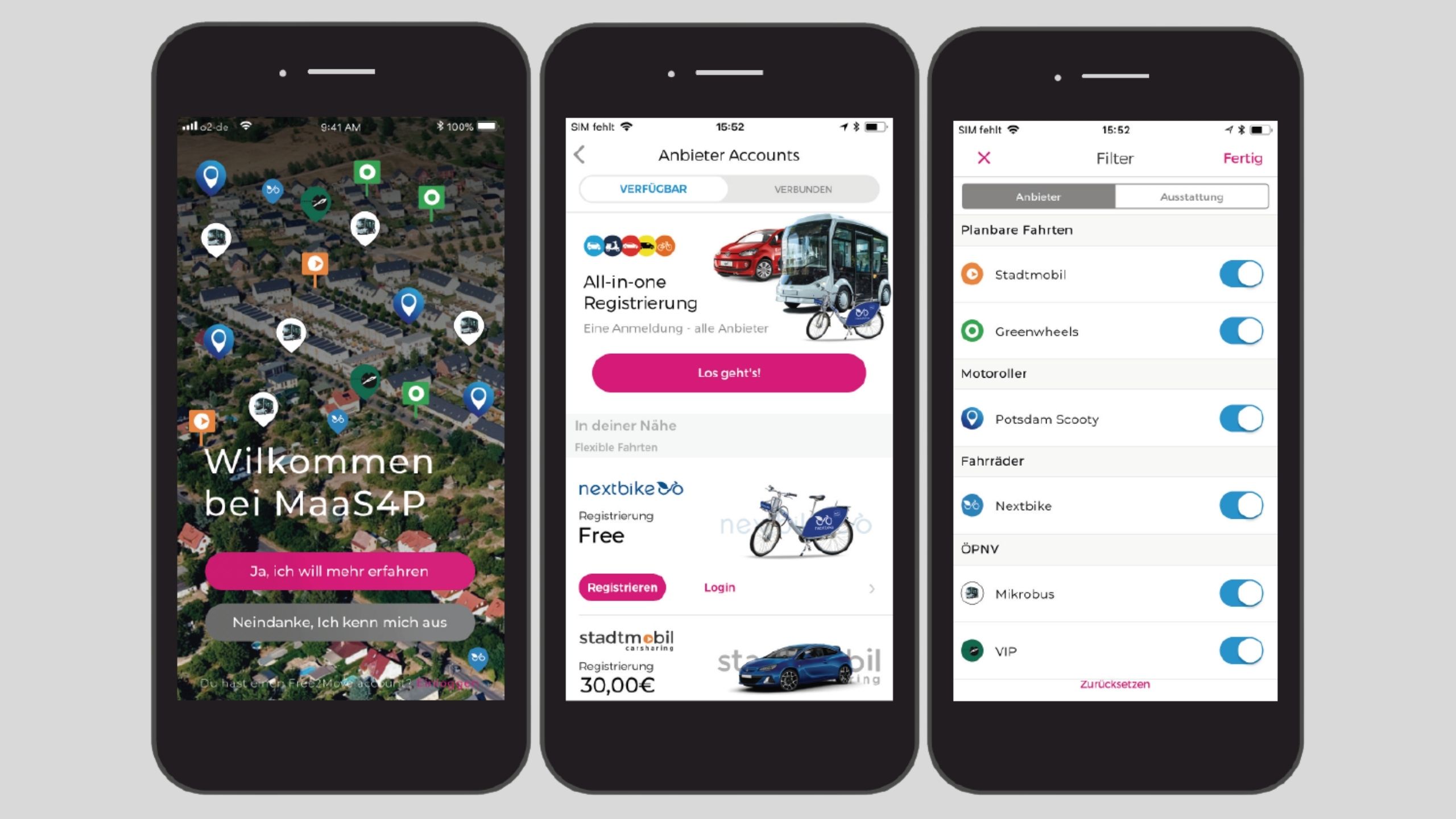
An app informs the citizens of a city about integrated mobility services (public transport and sharing services) and facilitates mobility planning and billing.
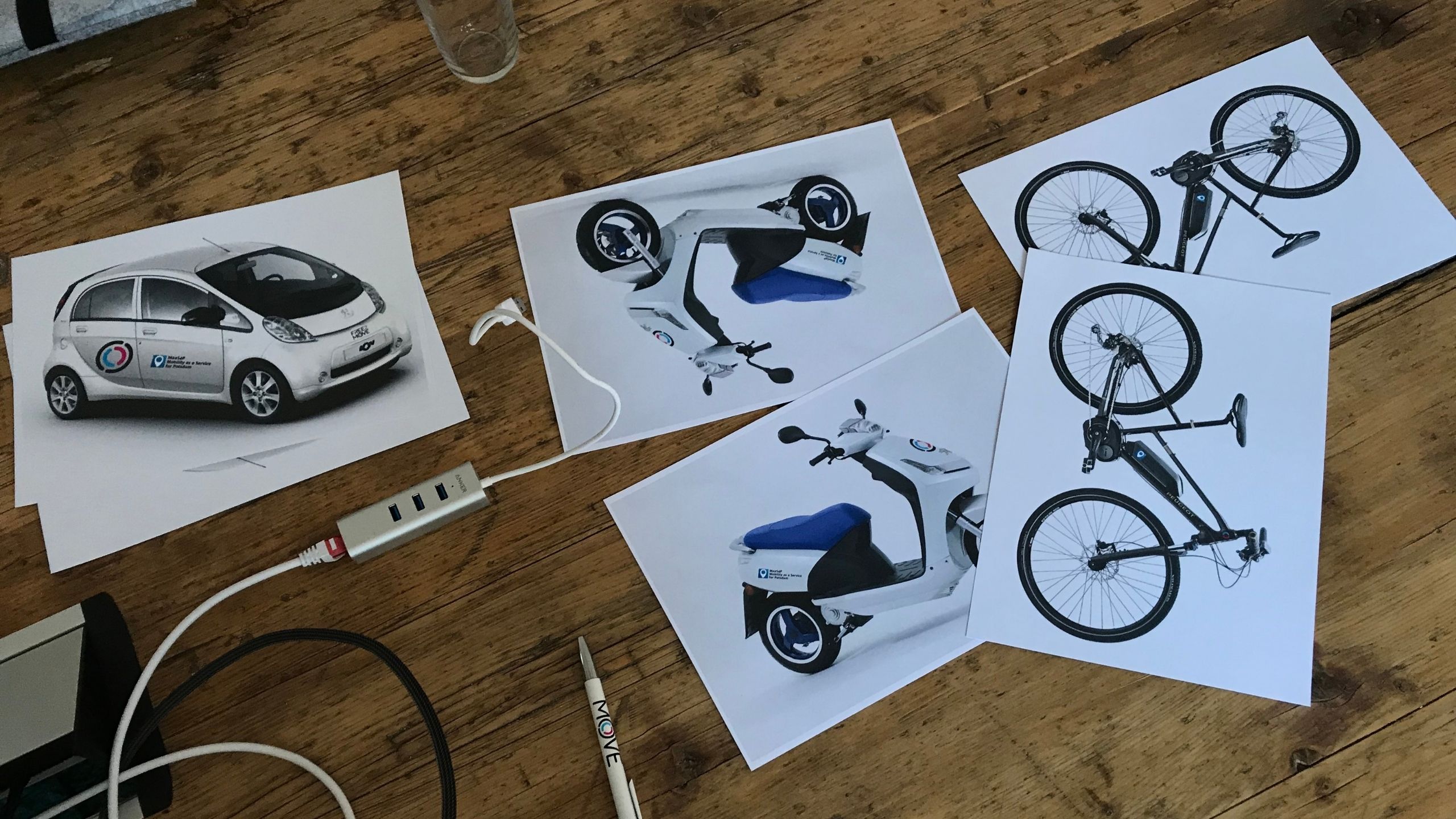
Intelligent sharing services complement public transport to create an attractive overall service that is competitive with private cars.
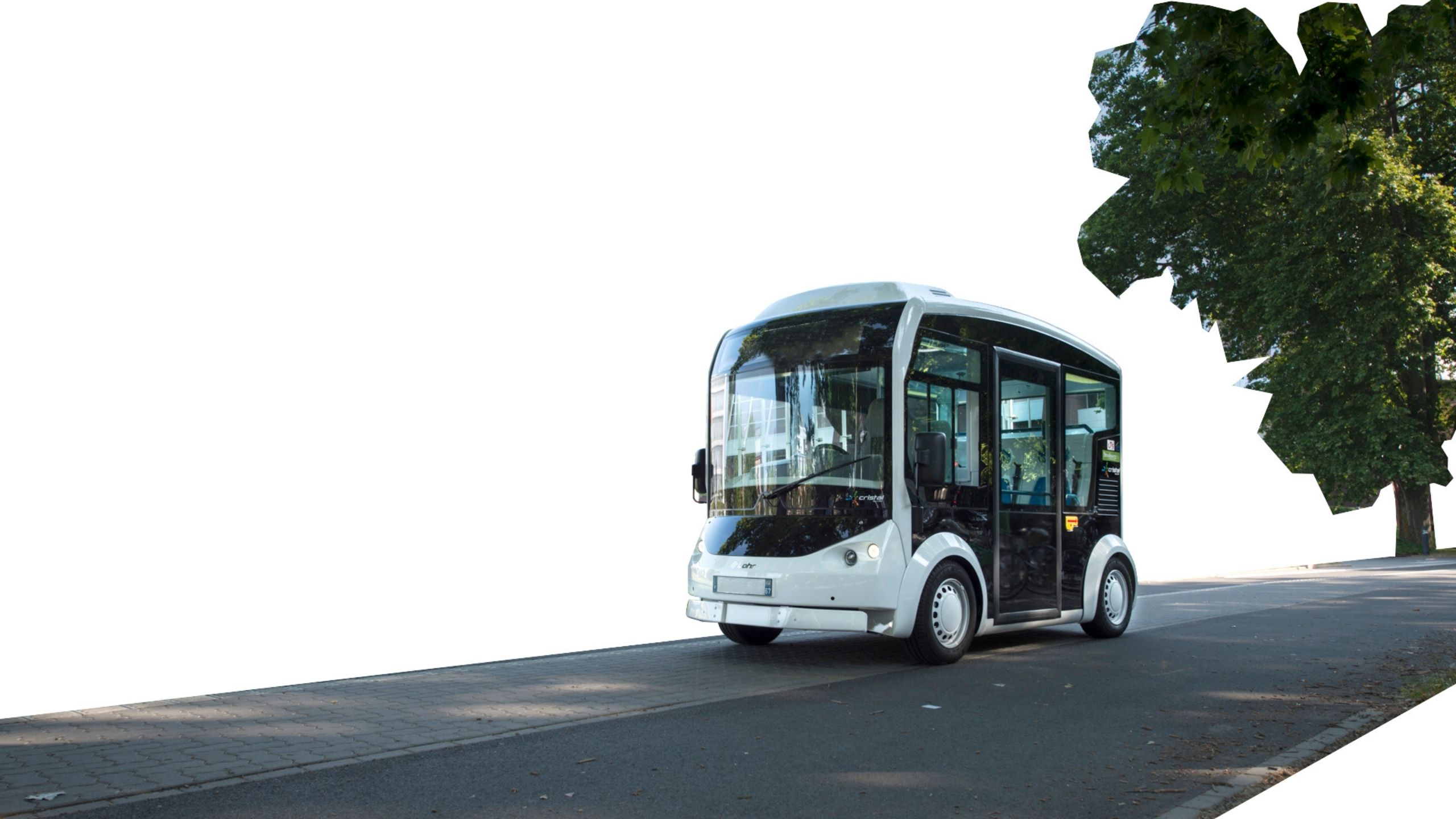
Automated microbuses pick up citizens at their front door and thus improve access to large neighbourhoods.
Control systems ensure the smooth operation of this integrated transport system, which responds to current passenger requests in real time and in line with demand.
For the first time, the MaaS L.A.B.S. system is taking an in-depth look at the specific requirements of small and medium-sized cities as part of research and development. To this end, "living labs" will be set up in the cities of Potsdam, Cottbus and Hanover from 2020, in which the services will be developed in active dialogue with the population, urban development, transport planning and politics. Extensive demonstrations make technology "tangible" and shape technology and process development in step-by-step feedback processes.
Over the past 18 months, the University of Applied Sciences Potsdam has already carried out a feasibility study in a preliminary project against the background of the traffic problems in the north of Potsdam. The study focussed on Bornstedter Feld and the university's climate campus. MaaS L.A.B.S. is now implementing these findings in a transdisciplinary cooperation with ViP Verkehrsbetrieb Potsdam GmbH, the state capital of Potsdam and industrial partners. As part of the overall project, the interdisciplinary project team from the University of Applied Sciences Potsdam is developing the overall transport science architecture of the MaaS platform, including a viable business model. The team is designing living lab scenarios using target group-specific knowledge transfer, participation and cooperation methods.
Go to the project website here: maas-labs.fh-potsdam.de

