Discrete Load Application with Shear Stud Dowels in Bridge and Building Construction
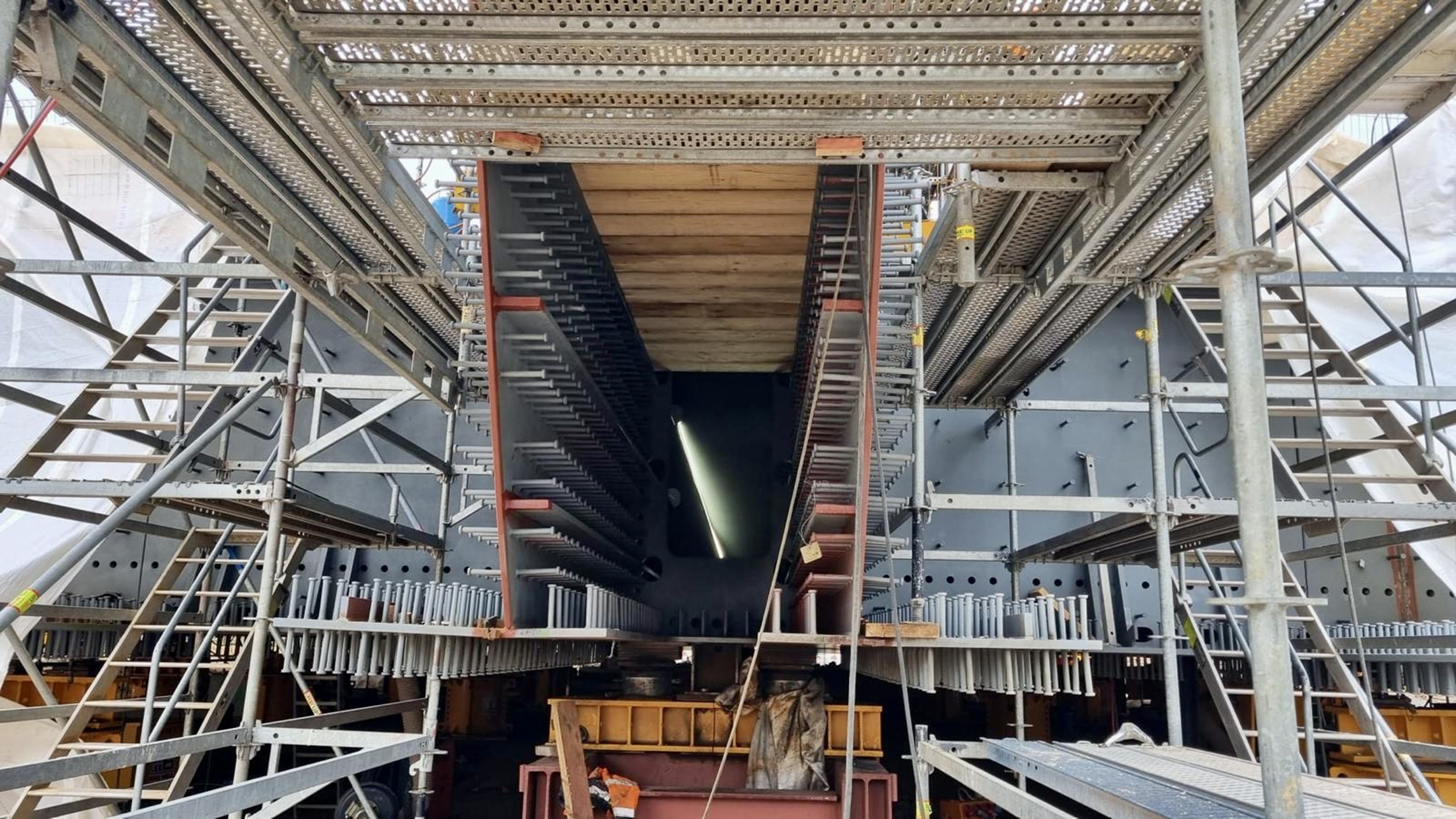
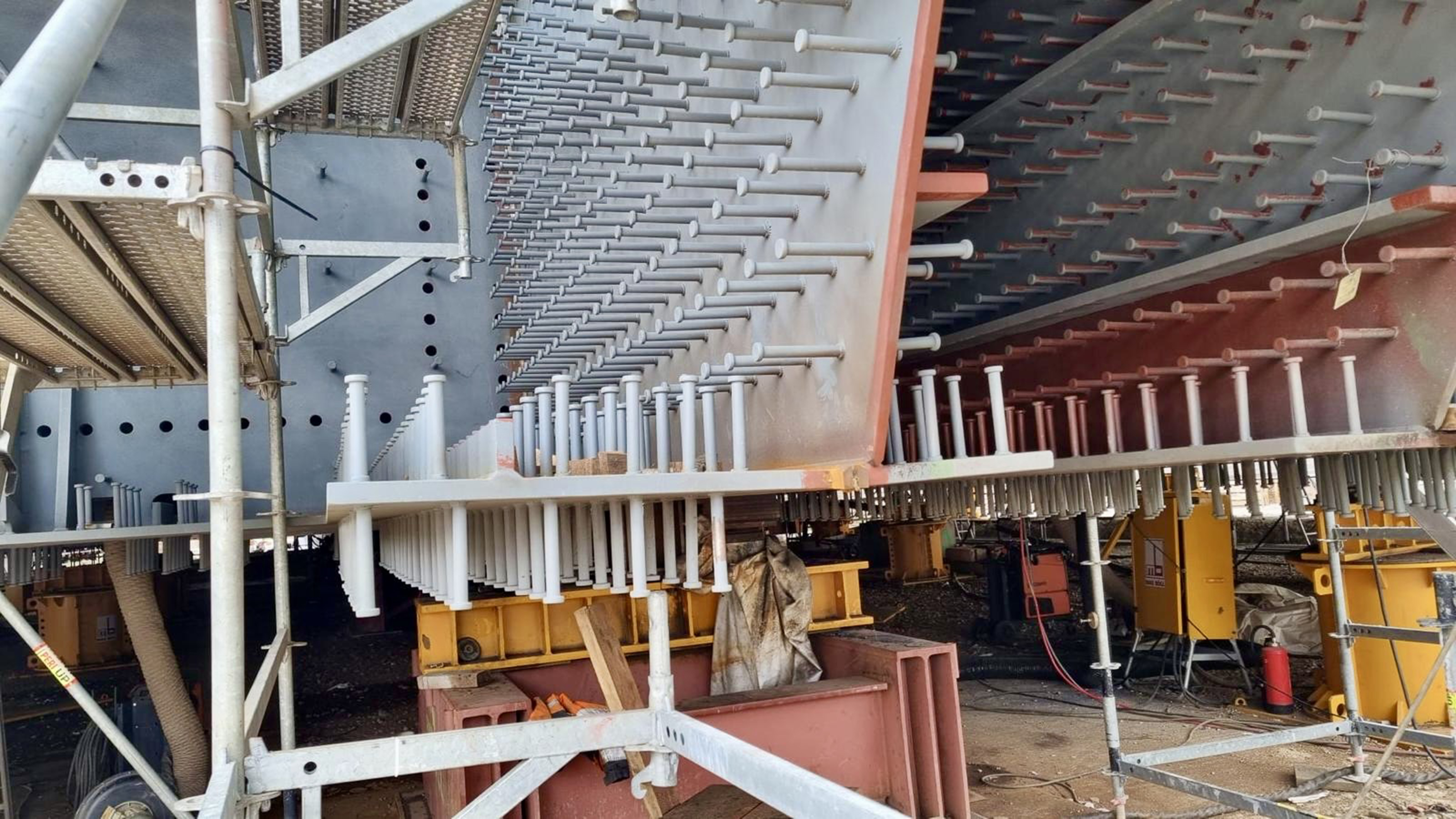
The project investigates the mechanical interactions involved in load transfer and load distribution through groups of head bolt anchors.


- Günter Seidl (Projektleiter/-in)
- Robert Kühne (Wiss. Mitarbeiter/-in)
- Daniel Wildebrand (Wiss. Mitarbeiter/-in)
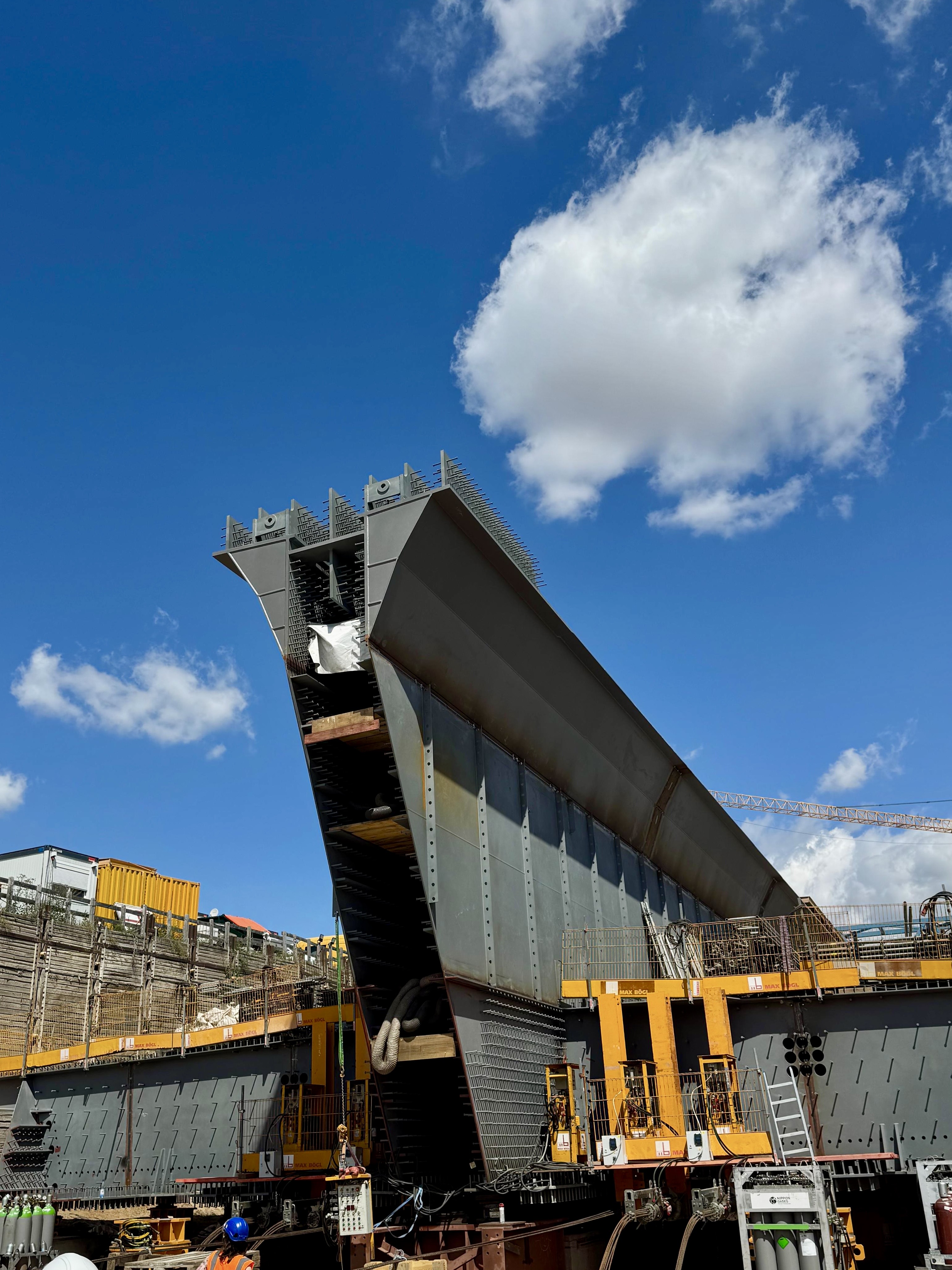
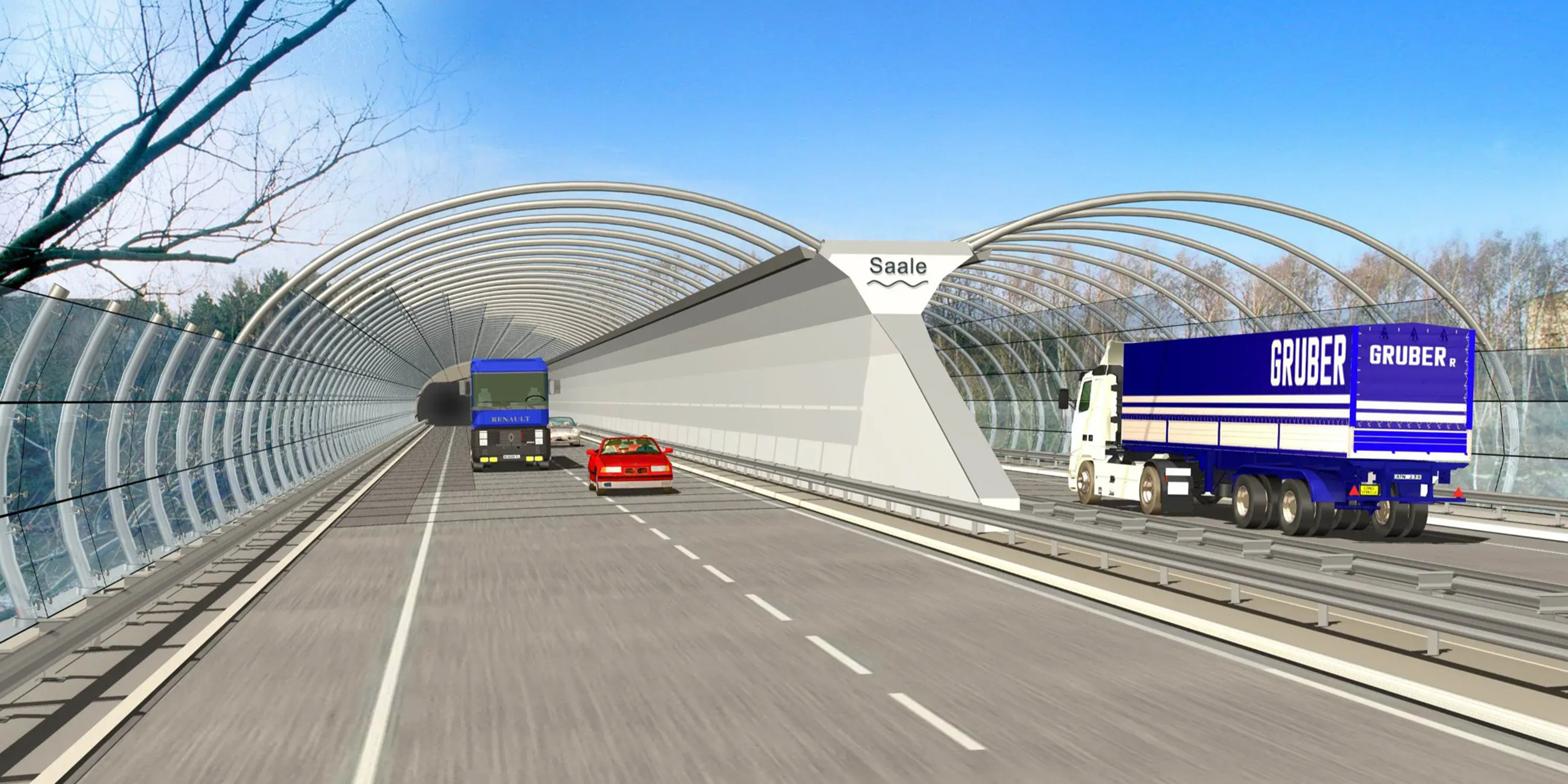
Steel and composite structures represent an economical and at the same time attractive design solution for bridge construction. Integral solutions are increasingly taking centre stage here. In these forms of modern bridge construction, the structural components of the steel and composite structure are primarily connected to the solid structural areas by means of shear connectors. Due to their high cost-effectiveness and efficient construction process, planning engineers often choose constructions with large groups of headed studs for the introduction of discrete loads.
A closer look at the load application raises complex questions about the load distribution on the individual shear connectors within the group and the stiffness-dependent activation of other mechanisms in the load transfer. The distribution of the load on the anchor group depends to a large extent on the stiffness of the individual composite elements during initial loading and especially during reloading. Furthermore, the possible formation of cracks in the concrete areas, some of which are subjected to tensile stress, can lead to a significant redistribution of forces within the anchor group.
Numerous tensile, compression and bending tests are being carried out to investigate the specific scientific issues within the research project. In particular, the load application and the change in stiffness of individual headed stud anchors in long rows under different loads are focussed on. On the basis of the test results obtained, numerical models are then created and validated, with which further investigations are sought in order to further expand the parameter space investigated. In a final step, the aim is to develop an application-orientated concept for the design of discrete load transfer from steel to concrete components using large groups of shear-loaded shear stud dowels on the basis of all experimental and numerical results.

