The Master's programme in Design is aimed at designers who want to deepen their practice through research and engage with the social, ecological and technological questions of our time. At its core is design as a form of knowledge: students develop objects, systems, interventions and experiences that make connections visible and open up new possibilities for action. Two studios set different emphases: one understands design as an artistic research practice, while the other engages through design with digital technologies and their impact on society. Embedded in a community of designers and thinkers whose practices range from visual communication and digital systems to material and spatial work, the Master's programme in Design offers time. Time to question, to rethink and to explore alternative paths for our present and possible futures. Join us on a transformative journey!
Design (MA)

2 semesters (minimum requirement: 240 ECTS credits)
4 semesters (minimum requirement: 180 ECTS credits)
until 01/04
15/05 – 15/07 (admission restricted)
60 ECTS credit points
120 ECTS credit points
Profile
Research through Design – The New Design Master's at FHP
The new Master’s programme in Design offers an inspiring learning environment in which a research-oriented studio culture fosters collaborative work and creative processes. By specialising in one of our studios – ‘Design as Narrative Practice’ (German-language track) or ‘Postdigital Design’ (English-language track) – you gain access to a flexible, modular and interdisciplinary learning environment. In addition to laboratories equipped with state-of-the-art technology, the programme offers a diverse selection of courses covering the entire creative spectrum of the Department of Design. This enables you to tailor your own individual Master’s programme. The programme focuses on a practice-oriented and theoretically grounded exploration of societal transformation processes and interdisciplinary future perspectives, using both design-based and artistic research approaches. The English-taught track is also offered as a double degree in partnership with Taipei Tech, leading to a degree from both universities.

Design as Narrative Practice
A present full of unanswered questions calls for forms of design that do not reduce complexity, but rather make it tangible. How can data be transformed into narratives that reveal connections rather than oversimplifying them? How can we communicate ecological changes that lie beyond our immediate experience? And how can we address societal challenges from multiple perspectives? The ‘Design as Narrative Practice’ studio addresses such questions by understanding diverse forms of narration as an artistic research practice that explores social, ecological and cultural issues through material, language, form, the body, ritual and narrative. Rather than developing solutions to clearly defined problems, the studio creates exploratory forms of visualisation, experience and knowledge production.

Postdigital Design
Digital technologies are inextricably woven into our everyday lives. The challenge is no longer digitalisation itself, but rather critical, responsible and creative design for the post-digital present. As part of this studio, students explore and design a world in which interfaces, algorithms, data and intelligent systems are no longer mere tools, but actively shape behaviour, communication, economies and democratic societies.
Interfaces, algorithms, data and intelligent systems have long since ceased to be mere tools; they shape behaviour, communication and democratic societies. The studio invites students to investigate socio-technical systems through research through design, speculative exploration and experimentation, and to translate their findings into prototypes, systems and future scenarios.
Current Studios (2026/27)
These studios are already running and are no longer accepting applications.
View the studios starting in the winter semester 2027/28
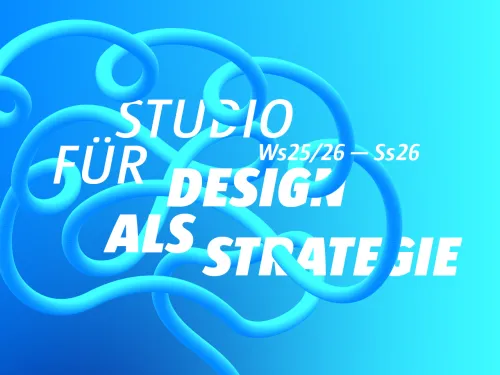
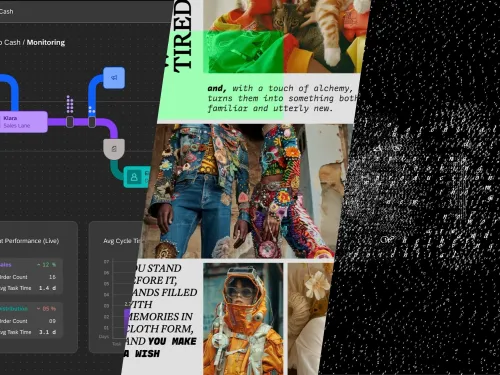
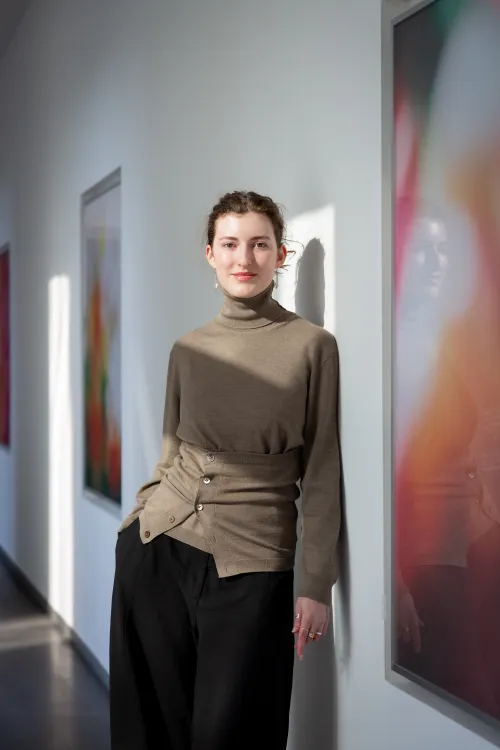
© Andrea Vollmer I’m studying to test my limits and to gain the knowledge I need to play a more active role in shaping the latest technological developments. The FHP offers a forward-looking degree programme that is unique in its form. The double degree programme with Taipei Tech makes my studies an exciting and enriching experience on several levels.
Sarah Kiss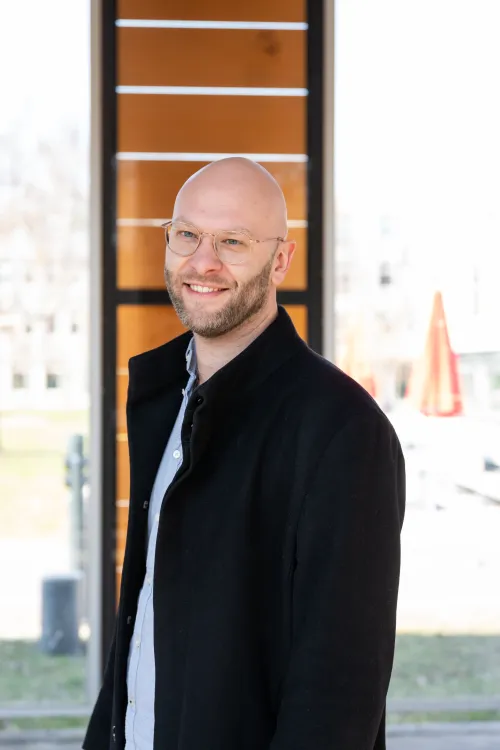
© Andrea Vollmer My professional experience lends the Master’s in Design at the FHP a special quality. The focus is no longer on creation, but on making an impact. This requires initiative and the courage to reshape one’s own role. Dedicated lecturers, a wide range of workshops and a positive atmosphere provide the framework.
Marius Claßen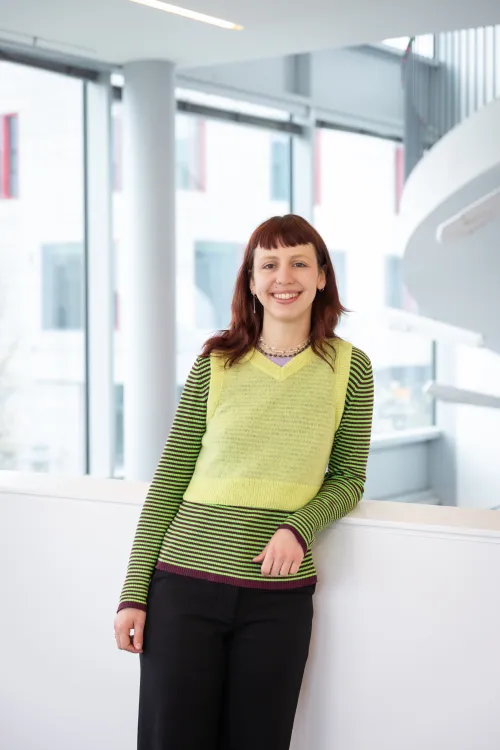
© Andrea Vollmer In the ‘Speculative Softwares’ studio, I particularly appreciate the input and exchange between students and lecturers. The highlight was discovering a new piece of software every week – with plenty of time and in a pleasant atmosphere. I also find the diversity of our international group, with its different perspectives, enormously enriching.
Lele Schlaich
Design in Times of Polycrisis
The climate crisis, societal polarization, and rapid technological transformation define a present that raises more questions than it offers clear answers. The Master's programme in Design at the University of Applied Sciences Potsdam invites students to engage with this complexity not through quick fixes, but through a reflective, research-oriented design practice.
At the heart of the programme, design is not conceived as embellishment, but as a mode of thinking, researching, and acting. Rather than searching for a simple solution to solve a problem, students are encouraged to embrace ambiguity, confront contradictions, and turn tensions into productive potential. The ability to navigate complexity emerges as a vital competence.
Design is understood here as both critical reflection on the everyday and a speculative engagement with future possibilities. Students develop projects that range from situated interventions in daily life to visionary scenarios that challenge and reimagine societal futures. The projects aim not only to persuade through conceptual clarity and aesthetic precision, but to foster discourse and offer new perspectives on transformation.
Following a period in which design thinking has often been indiscriminately applied as a universal solution, this Master’s programme positions itself as a deliberate counter-model — one that values consolidation over hype, depth over immediacy. It cultivates an awareness of when to pause and reflect, and when urgent change demands acceleration. In this sense, design becomes a matter of rhythm: attentive, responsible, and with a feel for the right moment.

Hands-On Research
Our approach is reflected not only in the design projects, but in the close integration of teaching and research. The Master's programme offers diverse opportunities to explore design questions within the context of current research projects, combining theoretical reflection with hands-on research experience.
Engage with cutting-edge research while developing your own practice. The Master's programme offers the opportunity to collaborate on innovative research projects within the Interaction Design Lab and the Urban Complexity Lab. Gain hands-on experience and deepen your academic and methodological skills in our research-oriented modules or as student assistant. Additionally, we support your pursuit of a PhD in one of our research labs as a future opportunity.

Interaction Design Lab
The IDL is home to an international team of researchers, designers and developers with roots in science and industry. We create an interface between teaching, research, development, technology transfer, design and knowledge transfer and thus open up a space for multidisciplinary projects.

Urban Complexity Lab
The UCLAB is an interdisciplinary research group that combines expertise from the fields of interface design, computer science and the humanities. Its research work focuses on the design, development and investigation of data visualisations.
Why Study Design at FH Potsdam?
Are you looking to deepen your existing interest in design? Do you want to complete your undergraduate studies with an internationally recognised qualification? Are you eager to explore design as both a practical and theoretical field of research, and considering an academic career in design research? Would you like to be supported on your path to developing your own research question—across disciplines and fields?
The Master's programme in Design at the University of Applied Sciences Potsdam offers you these opportunities. You will learn to address problems on formal, aesthetic, and methodological levels and acquire the skills to understand and manage complex design, development, and transformation processes—structurally, conceptually, and strategically. Ecological, social, and political contexts are not add-ons here—they're integral to how we understand and teach design.
You have these qualities
- analytical and conceptual way of thinking
- a creative vision
- enjoy art, culture, design, media and technology
- independence, communication, organisational and teamwork skills
Shop window
Let us inspire you! In our virtual showcase you will find current projects and works from the degree programmes of the Department of Design.
Contact us
The staff members at the Student Counselling Services provide information to prospective students, first-year students, parents, teachers and students on all general questions relating to the degree programme. If you have specific questions and concerns about the Master's degree programme in Design, please contact the programme-specific student advisory.
Programme director

Programme-specific student advisory

Programme-specific student advisory

Programme-specific student advisory

You may also be interested in these degree programmes
More degree programmes| Department | Degree programme | Teaching language | Start of study | Application deadline |
|---|---|---|---|---|
| |
Urban Futures (MA) | German | Winter semester | 15/05 – 15/06 (restricted admission) |
Study content
Programme Structure and Modules
Design (MA) is offered as a one- or two-year programme, full-time or part-time, leading to a Master of Arts degree. The two-year programme can be completed in either German or English. In addition, you may pursue a double degree as part of our established collaboration with the National Taipei University of Technology (Taipei Tech).
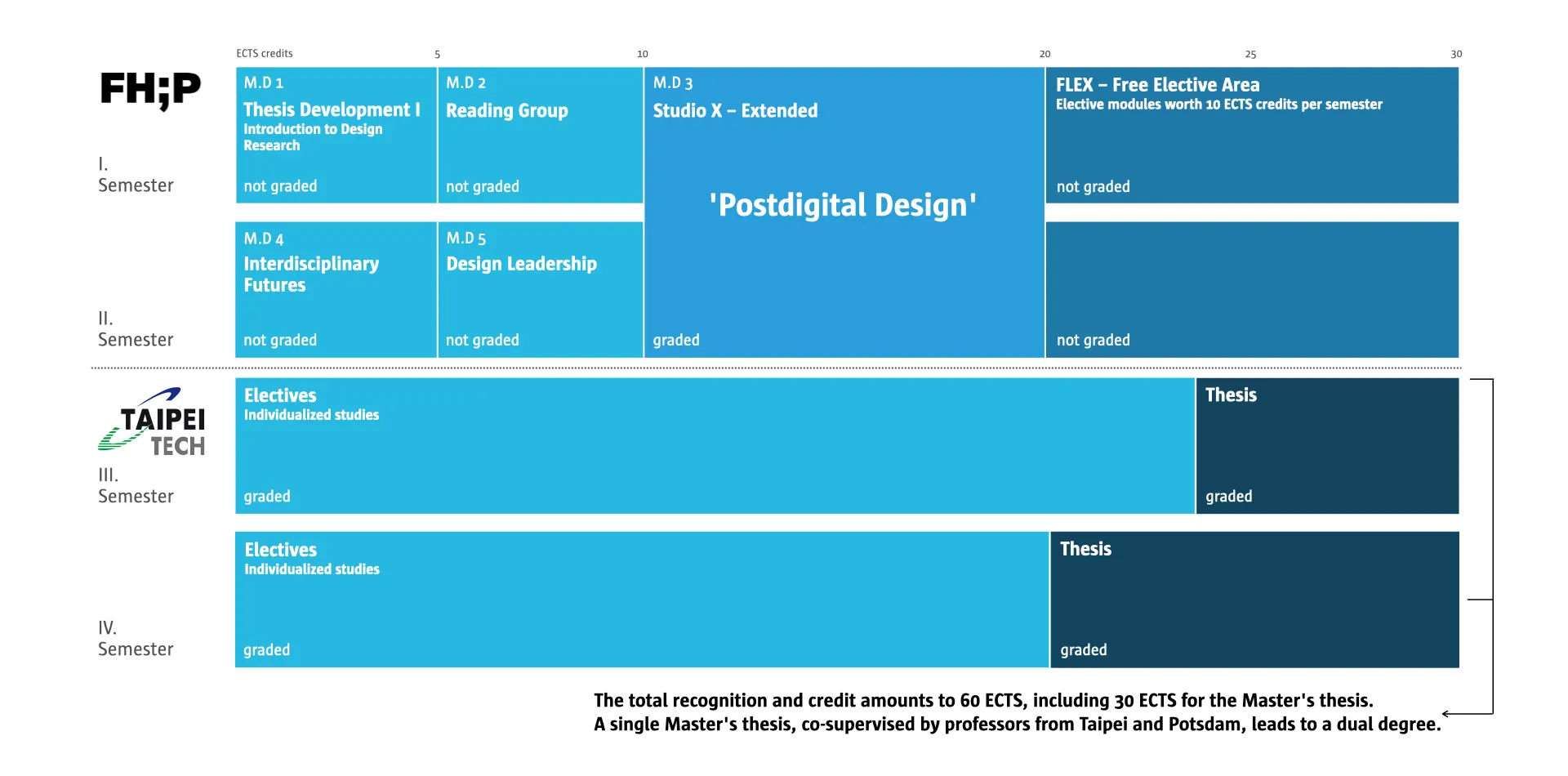
The double degree is a joint programme between the University of Applied Sciences Potsdam and Taipei Tech. It allows you to obtain two degrees: a Master of Arts and a Master of Design. You are required to complete specific courses and pass the necessary exams at both institutions. This programme provides an international academic experience and enhances your career prospects by offering intercultural competencies and subject-specific qualifications.
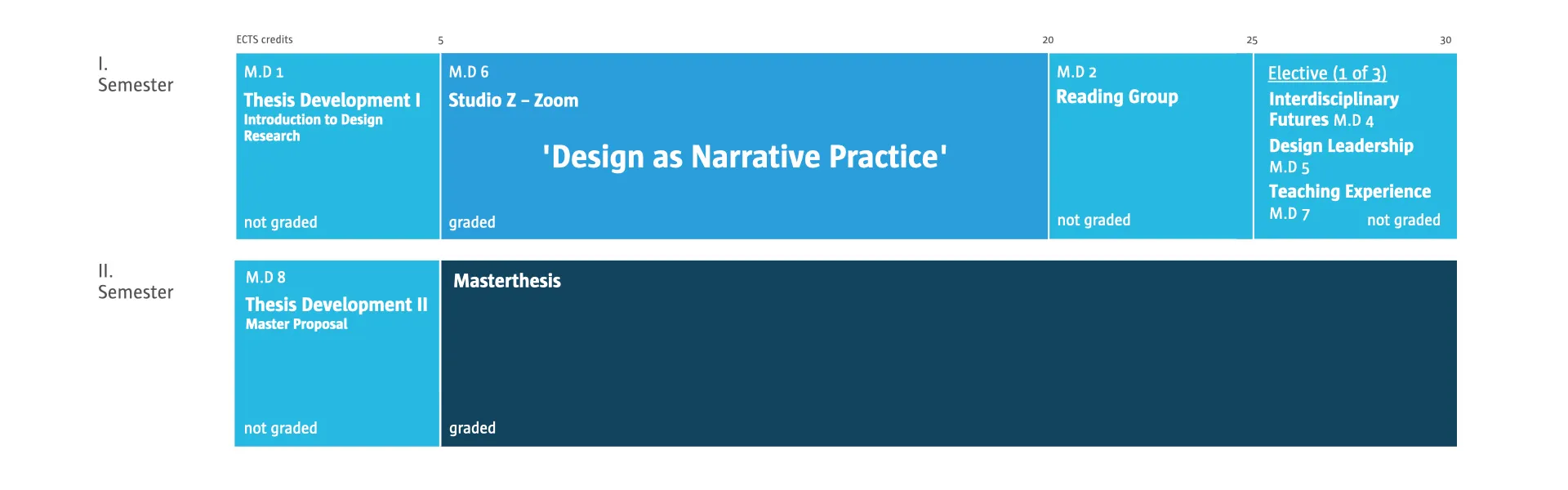
1-year Master's programme (2 semesters) | taught in German
The one-year "Fast-Track" Master's programme is designed for graduates of eight-semester (four-year) Bachelor's programmes who wish to deepen their knowledge in the fields of design research, design theory, and aesthetic-artistic practice.
Through the central studio project and elective specializations such as Teaching Experience, Design Leadership, or Interdisciplinary Futures, you can strategically expand your expertise and sharpen your argumentation strategies for decision-making. In your Master's thesis, you will further deepen your knowledge through practice-based or practice-led research and theory. The programme combines practical and academic approaches to critically address current design issues, while simultaneously equipping you with essential skills to respond flexibly to changes and uncertain conditions in the design profession.
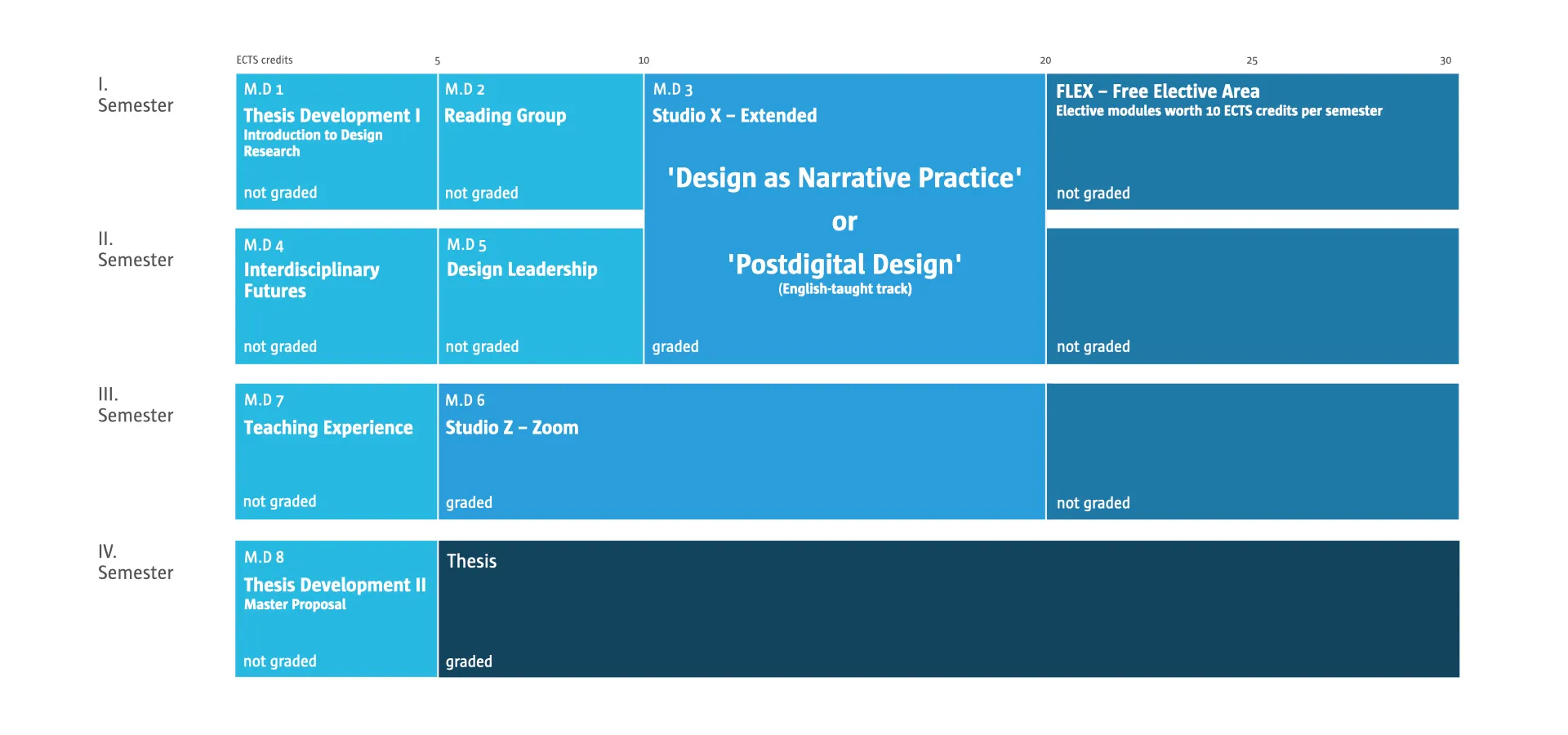
2-year Master's programme (4 semesters) | taught in English
The two-year Master's programme provides an opportunity to obtain a double degree. In your first year, you will study at the University of Applied Sciences Potsdam and in your second year at the National Taipei University of Technology (Taipei Tech). At Taipei Tech’s Interaction Design MA programme, you can dive deep into topics such as XR, UX, Service Design, as well as Human-Centred AI. You will gain hands-on experience working on both creative and research-driven projects, developing, implementing, and documenting your own ideas. The Master’s thesis will be completed at Taipei Tech, with supervisors from both universities.
First Year – Curriculum and Module Overview
This outlines the curriculum of the Design (MA) programme, organised by the academic year. You will find all module descriptions, the study and examination regulations, as well as the statutes for the selection procedure neatly compiled and easily accessible here.
Studio “Design as Narrative Practice”
Studio “Design as Narrative Practice”
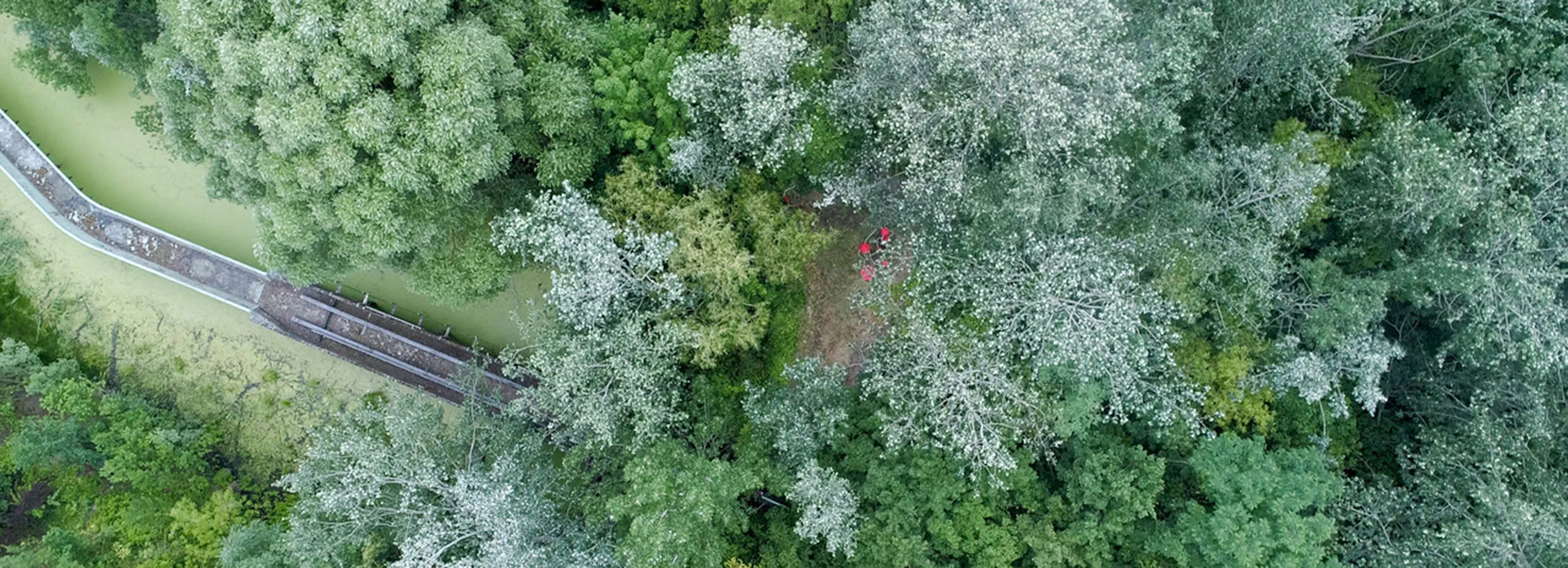
Design as Narrative Practice
The studio views design as a narrative practice that has the potential to make complex interrelationships tangible through material, language, form and the body. It invites students to reflect on current and future interconnections between people, objects and environments, and to explore diverse forms of narration.
Three perspectives underpin the studio’s practice:
Artistic and design research form the methodological foundation: in the studio, design practice is regarded as an independent form of research, not as an illustration of theory. Students conduct research through design, in a repeated cycle of experimentation and reflection: through material experiments and sensory research methods; through archival research that translates historical objects into design-based inquiry; or through exhibitions and symposia as independent research formats. Aesthetic production sharpens reflection on a complex present; insight arises from the act of making itself.
Narration is the creative medium: storytelling takes place through material, images, data, space or typography. Students weave together research, data and images to create multi-voiced narrative strategies, whether through data storytelling—which seeks the story within the data—visual climate communication, the staging of language in physical space, or experimental publication and print formats ranging from books to large-format posters. In this way, complex social issues are examined, made accessible to different target audiences and opened up for public debate.
Relationships as a starting point: The studio considers more than just human actors; it maps urban spaces and landscapes from diverse perspectives, explores relationships between people, objects and environments, and asks how future living spaces can be narrated when the focus is not solely on humans.
Design thus becomes a practice of investigating, translating and visualising complex interconnections, within which students develop their own creative approach within contemporary discourses.
Applications for the new Master’s Studios are open from 1 January to 1 April 2027: Application & Contact
Master’s theses from the Department of Design

What I Talk About When I Talk About User-Friendly

Beyond Classical Prompting

On the Future of Grief: An Exploration on Mourning in the Digital Age.

Break Space
Contact us
Programme director
Programme-specific student advisory
Studio “Postdigital Design”
Studio “Postdigital Design”
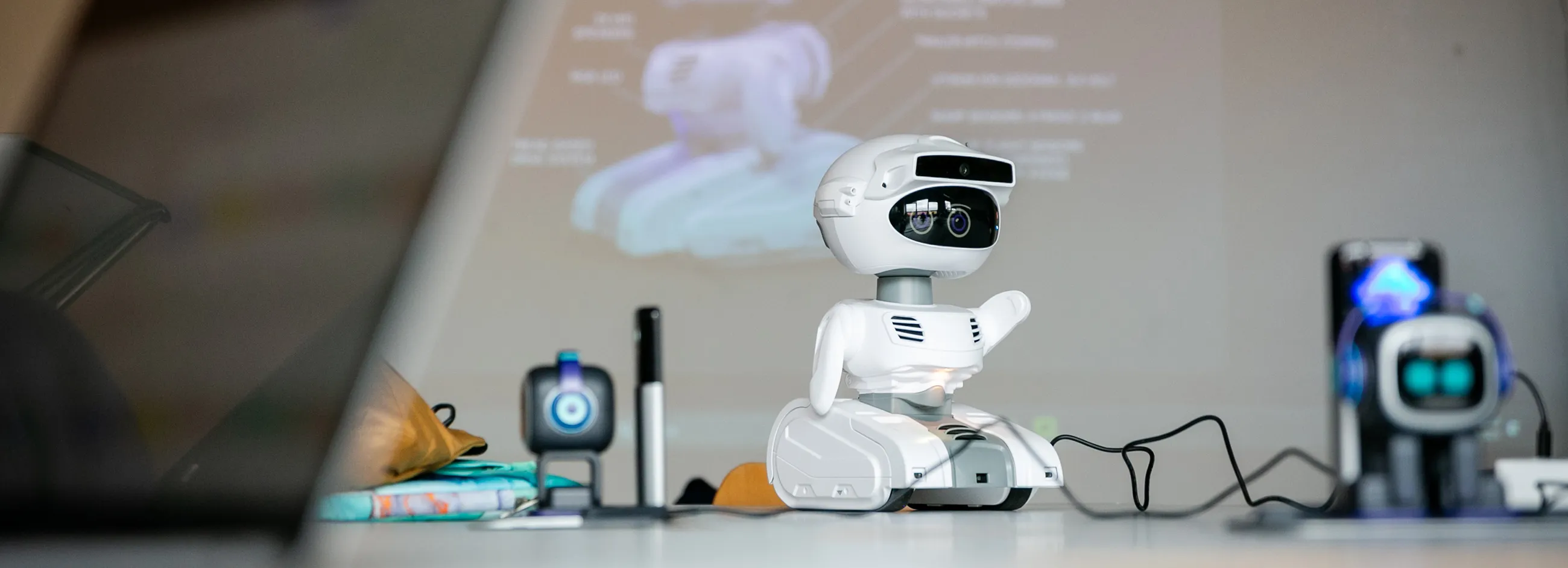
Postdigital Design — Designing Beyond the Interface
Digital technologies have become inseparable from everyday life. The challenge is no longer digitalisation itself, but learning to critically, responsibly, and creatively design for the postdigital condition—a world in which interfaces, algorithms, data, and intelligent systems are no longer merely tools but actively shape behaviour, communication, economies, and democratic societies.
What you will do & learn
Through Research through Design, speculative exploration, and lean experimentation, you will investigate socio-technical systems, critically examine their implications, and translate your insights into prototypes, systems, and future scenarios—including digital, physical, and hybrid products, interfaces, services, and experiences.
You will explore topics such as human–AI interaction, critical information design, data visualisation and journalism, digital ethics and sovereignty, machine learning, sustainable business models, and planetary boundaries. Along the way, you will learn to understand complexity, collaborate across disciplines, and transform research into responsible design interventions—capabilities that are increasingly essential in an era shaped by artificial intelligence, ecological crises, and profound societal transformation.
Your Learning Environment
As part of the M.A. Design at FH Potsdam, the studio is embedded in an interdisciplinary research environment spanning urban futures, human–computer interaction, social robotics, critical information visualisation, media studies, cultural practice, and the social and educational sciences. Working alongside researchers, designers, public institutions, civil society organisations, and industry partners, you will engage with real-world challenges while combining critical reflection, technological experimentation, and hands-on design practice.
Graduates are prepared for expert and leadership roles in the design, development, and transformation of digital, physical, and hybrid socio-technical systems across industry, the public sector, academia, and civil society.
Two Cities, Two Degrees: Potsdam × Taipei
In the “Postdigital Design” studio, you can earn a double degree in partnership with the National Taipei University of Technology (Taipei Tech). After your first year in Potsdam, you continue your studies in Taipei Tech’s Master’s programme in Interaction Design, exploring areas such as UX design, XR, service design and human-centred AI. You complete your master’s thesis in Taipei, supervised by faculty from both universities. The programme combines Potsdam’s research-driven and critical approach to designing socio-technical systems with Taipei Tech’s strong focus on applied design and its close ties to Taiwan’s technology and semiconductor industries. You graduate with two degrees: a Master of Arts from FH Potsdam and a Master of Design from Taipei Tech.
Taught entirely in English.
Applications for the new Master Studios are open from 1 January to 1 April 2027: Applications & Contact
Impressions from the Department of Design
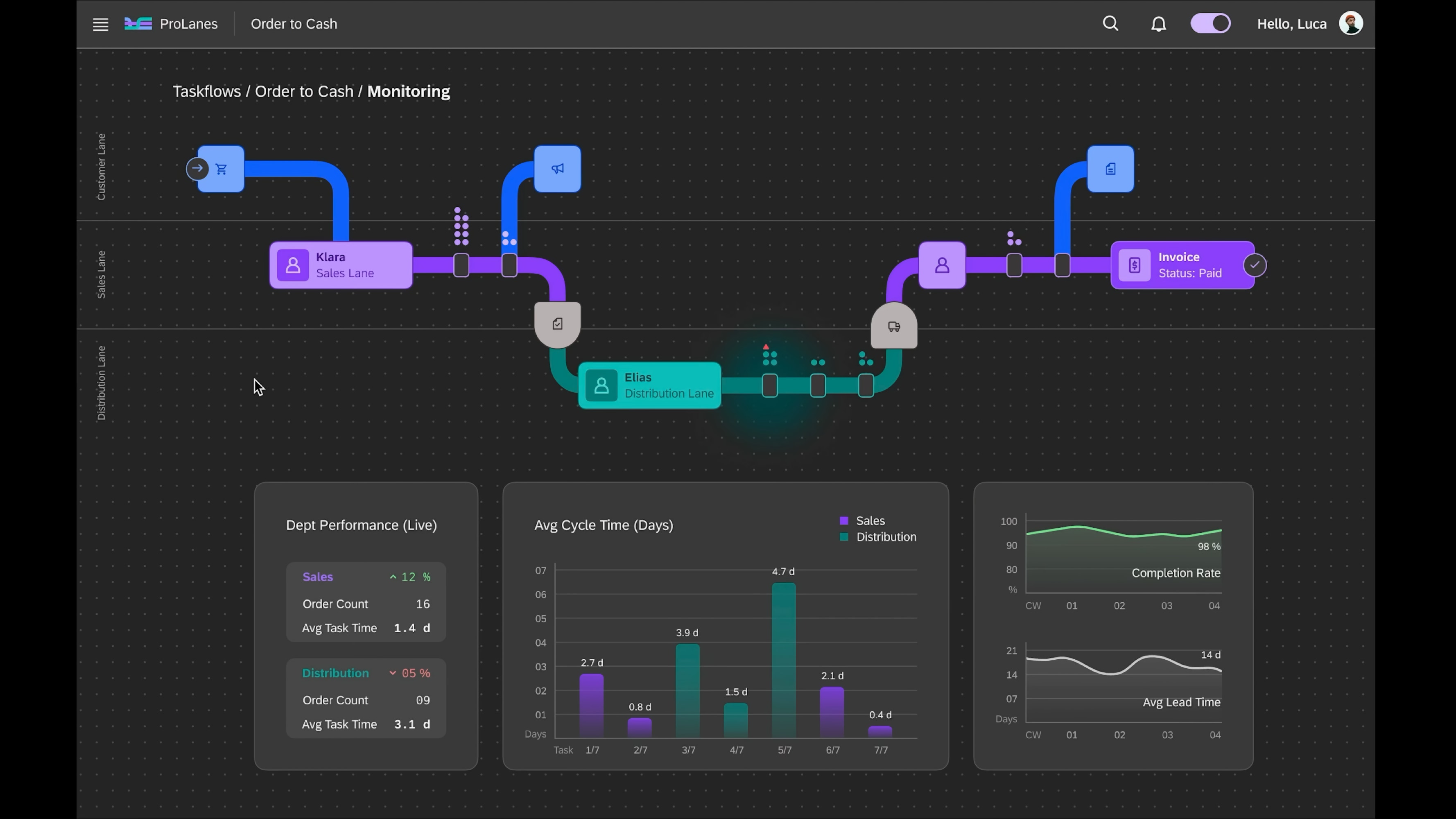
The MA Studio “Postdigital Design” builds on the personnel, technical and content-related structure of the Interface Design degree programme and the Department of Design. Here are some impressions from the programme and teaching.



Contact us
Programme director
Programme-specific student advisory
Application & Contact
Dates & Requirements
The Design (MA) programme welcomes applicants with a Bachelor's degree in design, art, or related design- or art-oriented disciplines (e.g. architecture). We also encourage applicants from a wide range of other fields, including media studies, information and communication sciences, or media informatics. It is essential to show a strong interest in design, design research and to demonstrate relevant design expertise.
Dates
- 1st of January – 1st of April: registering for the admissions test
- Until 15th of July: Submit online application for a place at university
Admission requirements
- Honours degree or possession of equivalent qualification (at least 180 ECTS credit points) in a design degree programme or a design-oriented degree programme from a university, university of applied sciences or university of the arts
- Passed admissions test
How to apply
Follow this step-by-step guide to apply for the admissions test. All applications have to be submitted via the online application portal.
Project outline
The project outline is a key requirement for admission to the Master's programme in Design. In no more than two pages, you should develop a well-founded position on the chosen studio theme. This can take the form of one or more research questions, together with initial approaches to engaging with the theme in a practical, aesthetic-artistic or academic way.
Whether problem-solving, speculative design or artistic intervention – there are many possible perspectives on the studio, and just as many possible forms for the outline. It can be entirely text-based or include visual elements such as photographs, illustrations, user interfaces or infographics.
Assessment criteria
Your project outline, your presentation at the entrance exam and your portfolio are assessed against six criteria. The selection panel awards up to 3 points for each criterion, giving a maximum of 18 points in total. You are deemed suitable if you achieve at least 12 points overall and at least 1 point in every criterion.
Project outline
- Originality: Does the outline make an original contribution to the studio theme? Does it grasp the theme in depth and interpret it in a new way? The emphasis may lie on aesthetic-artistic practice or on a methodological, academic research question.
- Quality of content and coherence of argument: Is the research question clearly defined? What subject knowledge does your approach demonstrate, and is your choice of methods justified? Do theoretical or artistic references support your position?
- Fit with the studio theme: Does the outline relate to the research and thematic focus of the chosen studio? Does it engage analytically and contextually with design-specific questions, for instance from a technological, aesthetic, ecological, economic, ethical or social perspective?
Presentation and discussion
- Presentation and handling of questions: Can you present your artistic ideas or methodological approach clearly and defend them convincingly in discussion? The panel assesses communication skills, the ability to think in structural and design-related contexts, and the design quality of the project outline itself.
Portfolio
- Quality of the portfolio: How convincing is your previous artistic, design or academic work in terms of design, craftsmanship and the documentation of research-based work? We take a broad view of what a portfolio can include, for example texts or software.
- Artistic and creative design ability: On the basis of your portfolio and presentation, the panel assesses creativity, the ability to improvise and abstract, imagination and motivation, as well as technical understanding and skill.
Further information
The following links summarise further information on the topics of application and enrolment for national and international students at the University of Applied Sciences Potsdam.

International applicants
Would you like to apply for a degree programme from the first or a higher semester and have obtained your school-leaving certificate and/or university degree abroad? Then you can have your qualifications and achievements from abroad recognised and study with us.

Application & enrolment procedure
The Application and Study Administration Service provides information and advice on general questions about the application process, admission and enrolment at the University of Applied Sciences Potsdam. It also supports applications for a higher semester, and further on topics such as compensation for disadvantages, part-time study, waiting semesters and hardship applications.
Contact & Services
The Student Counselling Services provide information and advice on general questions about studying and on topics such as choosing a programme, application process, enrolment and how to organise your studies.
For programme-specific questions about module content, credit transfer, examinations or studio specialisations in the Master's programme Design, the programme-specific student advisory is the best place to go.
Programme director
Programme-specific student advisory
Programme-specific student advisory
Programme-specific student advisory
Study and Examination Services
Study Info Service
studien-info-service@fh-potsdam.de
bewerbungs-service@fh-potsdam.de
campuskarte@fh-potsdam.de
Study Service
studien-service@fh-potsdam.de
Exam Service
pruefungs-service@fh-potsdam.de
Accessibility and Inclusion Officer
Office hours
Monday and by appointment


