Concept for the Development of a Decision-Making Guide for the Heritage-Sensitive, Climate-Optimised Modernisation of Residential Buildings
This MA's thesis assesses the integrity and sustainability of energy-saving construction measures in building refurbishment, using a case study, in order to derive recommendations for the planning of energy-efficient refurbishments.

Problem Statement
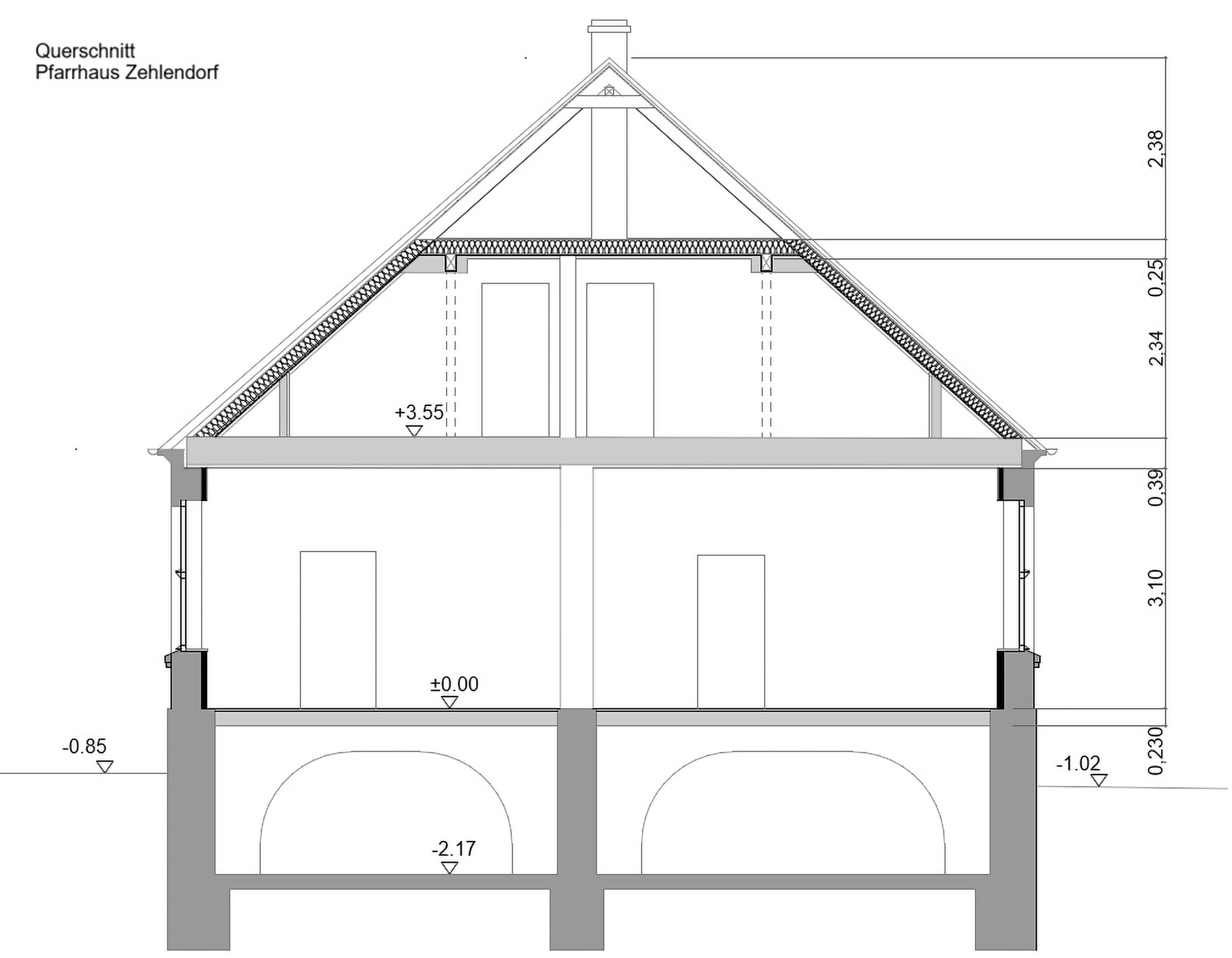
The aim of this MA's thesis is to assess the integrity of energy-saving measures in building refurbishment. The study focuses on residential buildings (vicarages) featuring exposed brickwork typical of the region, dating from the 19th century. Using a representative building of this type – the Zehlendorf vicarage near Oranienburg – relevant parameters for energy-efficient refurbishment are derived. The vicarage was built around 1870. The external walls of the detached, single-storey building with a converted attic consist of brickwork on a natural stone plinth. The ground floor houses the parish halls as well as two residential units, which extend across the ground floor and the attic.
Methodology
Based on an assessment of the current condition of the vicarage, the building’s energy balance and life cycle assessment are carried out. The findings form the basis for the development of six parameters as evaluation criteria for assessing renovation measures. These parameters include the improvement of the building envelope’s thermal performance and the efficiency of the new heating system, the structural engineering requirements and heritage conservation requirements, the improvement of airtightness and compliance with damp-proofing standards, sustainability, cost-effectiveness and eligibility for funding.
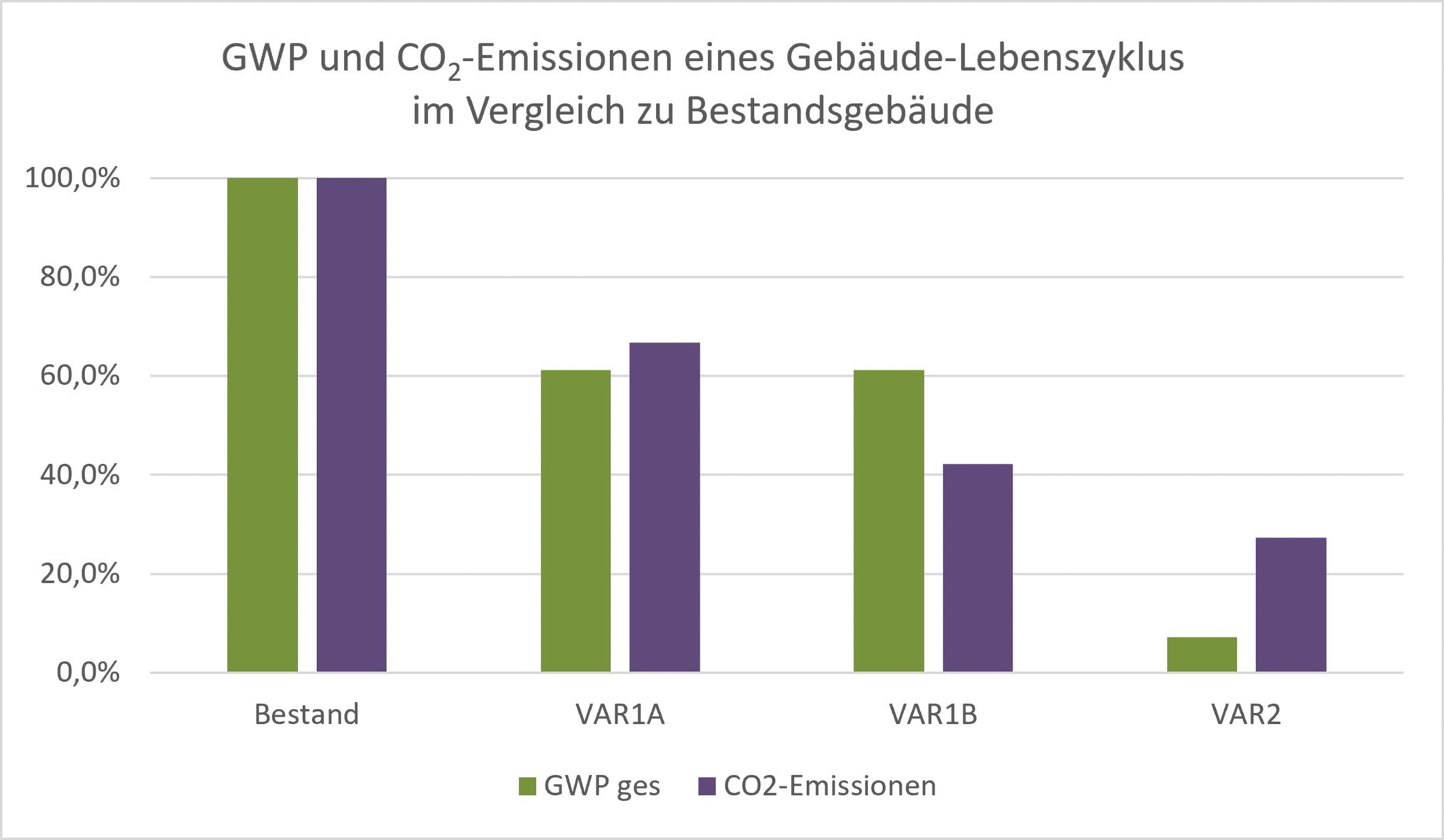
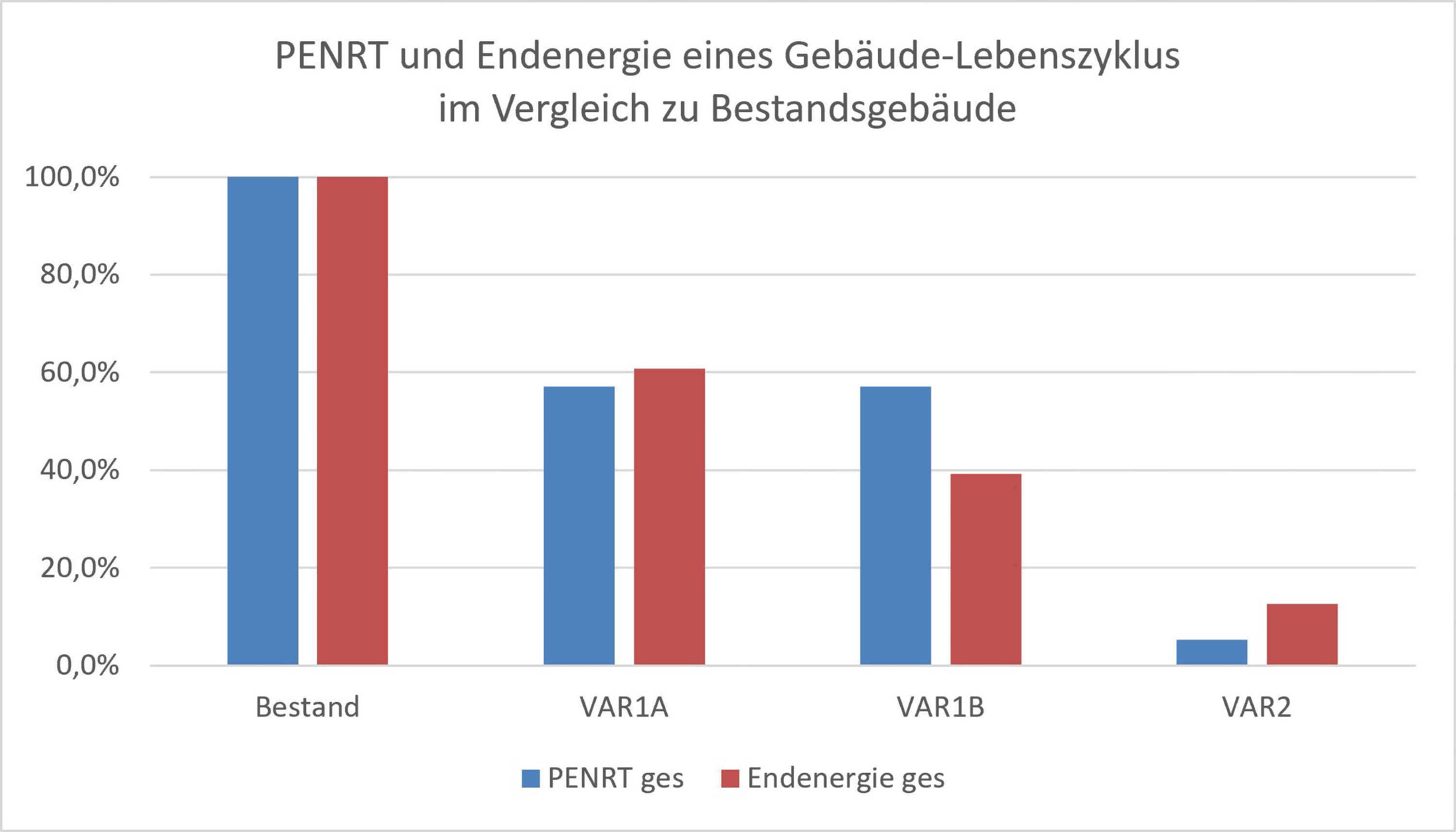
The influence of the selected parameters can be examined, as a first step, by analysing component structures. At the material level, the parameters can be combined and coordinated to achieve the best possible solution for energy-efficient refurbishment. In the second step, the optimised energy-efficiency measures for the building envelope are combined with the installation of new energy supply systems to assess the building’s overall operation. This enables the reduction in energy demand, the reduction in greenhouse gas emissions and the life-cycle-related use of resources to be determined. The parameters collected and analysed are incorporated into a decision-making tool for the renovation planning of 19th-century residential buildings (parsonages).
Results
The findings from the study of the Zehlendorf vicarage and the parameters with their associated evaluation matrix provide an initial guide for assessing potential refurbishment and optimisation measures prior to the detailed planning and life-cycle assessment of other buildings of this type. The decision-making guide is intended as a planning tool and can be used to weigh up different options for measures. The existing approach to energy-efficient refurbishment of historic buildings is expanded to include sustainability aspects. Using specific performance indicators, it is demonstrated that building materials compatible with heritage conservation also perform well in life-cycle assessments, and that ecological and heritage conservation requirements are compatible.
- Methodik der Masterarbeit (PDF, 78.92 KB)Konzepterstellung für die denkmalgerechte, klimaoptimierte Modernisierung von Wohngebäuden © Eike Stöcker
Contact
1. Expert report

2. Female expert
Julianne Nisse, Graduate Engineer
MA graduate
Eike Stöcker